“Well,” I said to my dad, “I’ll just plan to be flexible.” He chortled at the end of the line. It took me a second to get what I had said and why he found it so funny. In my mind, that very mind that doesn’t like to be adaptable or flexible unless I decide I want to be, planning on being flexible is a perfect solution. Today will go just as I planned in my head, except from 2pm-4pm, where I will plan to be flexible.
I guess it’s not a surprise that I’m having a really hard time with this whole “A mysterious virus shut down the entire world how we know it and we have to adapt to a new way of living for an unspecified amount of time” thing. There’s so much change and so much unknown. Y’all, I’ve been cooking, for goodness sake.
Yesterday, I made a quiche. You might have heard that I am allergic to wheat, but I love to make homemade pie crusts. So, I’m learning how to make pie crust with a gluten free flour. Everything I learned about how to make perfectly flaky pie crust is all about how to manipulate the glutens in the flour to bind the crust together. We use ice cold water, we let the crust chill in the fridge, we don’t handle the crust too much, etc. All of these techniques are to help the glutens activate in the flour to make a stretchy and ultimately flaky crust. So what happens when your flour doesn’t have any gluten and there is the integrity of the quiche at hand?
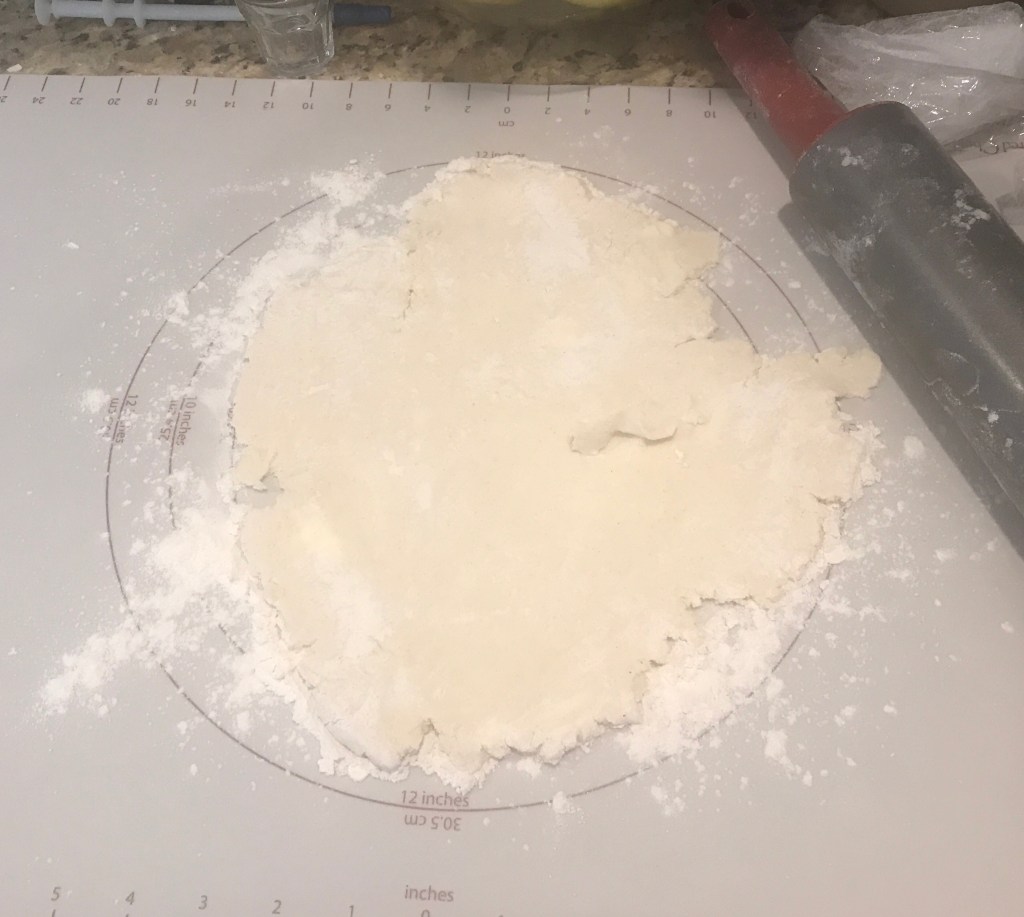
Well, friends, I planned to be flexible. This time, when I made the crust, I reminded myself that it wasn’t going to be like a wheat crust, where you can stretch it to a thin window pane. I reminded myself that the crust was going to fall apart before it even makes it into the pie pan and that piecing together the crust is no moral failing on this pie baker. I didn’t put it in the fridge for very long because I remembered last time, after the butter chilled, it was way too hard to roll it out. And finally, I adjusted the amount of water I added. I adapted.
The crust was fine. It still had that chalky aftertaste that all fake flour has, but it wasn’t distracting. It supported the fluffy quiche and it was flaky. The crust was different and certainly not what I prefer (wheat is really delicious.) But the crust was still better than most. The quiche was delicious. And most of all, my husband and I ate and were filled.
This is a weird time where 100% of the population is struggling to plan to be flexible over these next weeks and months. We have no idea what the future holds and what will be asked of us. But we can remember this, we have the skills for this. We have an amazing ability to adapt. We can release our goals of perfection and strive after good enough. We are incredibly taxed by all these adjustments and anxieties. But, for most of us, we can figure this out. Be kind to yourself. Be kind to your neighbors. And eat as much pie, or quiche, as you want.
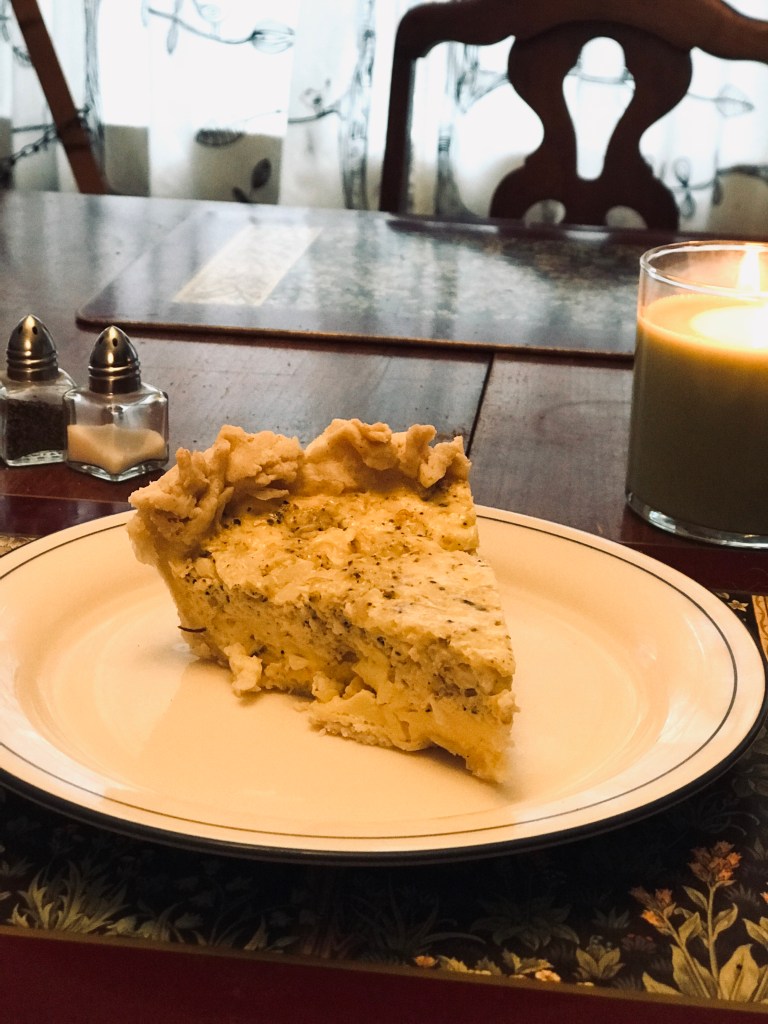
Recipe for Quarantine Quiche
Pie crust
1 c 1 for 1 Gluten Free Flour
1 swoosh of salt
1 stick of butter
Ice water
Quiche
8 eggs
½ cup sour cream
1 package of feta cheese
½ cup of cottage cheese
Herbs and spices (I used sage, rosemary, oregano, black pepper, paprika, garlic powder)
- Pour flour into large mixing bowl
- Swoosh some salt across the top (I don’t measure this. Maybe a teaspoon??)
- Fluff with a fork
- Cut in almost a whole stick of butter (cut off a tablespoon or 2 off the end. When the humidity in your kitchen is below 40%, you need more butter.)
- Mix in the butter until the flour is crumbly. Use a fork or your fingers. You don’t want to see butter blobs.
- Pour in some ice water. Mix with a fork. If it’s too dry to form into a ball, add more water. Again, the humidity of your kitchen will determine how much water you will need. It’s easier to add more water than add more flour and butter and salt if you get it too wet.
- Roll the flour into a ball and dust with flour. Wrap in plastic wrap and stick it in the kitchen while you mix up your quiche.
- Scramble the eggs in a large bowl.
- Add the dairy, mix
- Mix in herbs and spices
- Roll out pie crust and place it in a greased pie plate. Piece together any of the broken pieces. It’s okay if you’re totally patchworking this pie crust. Eggs and dairy are going to be on top of it. And Paul Hollywood isn’t looking over your shoulder.
- Pour in the egg mixture
- Crimp the edges of your crust so it looks pretty.
- Bake in a preheated oven for 45 minutes at 375 F. (Check on it after 30 min. Everyone’s oven is different.)
 The Gracious Pilgrimage